





Key takeaways
- 3D represents a virtual object in volume, visible from every angle.
- Augmented Reality overlays 3D objects onto a real photo, as if they really existed.
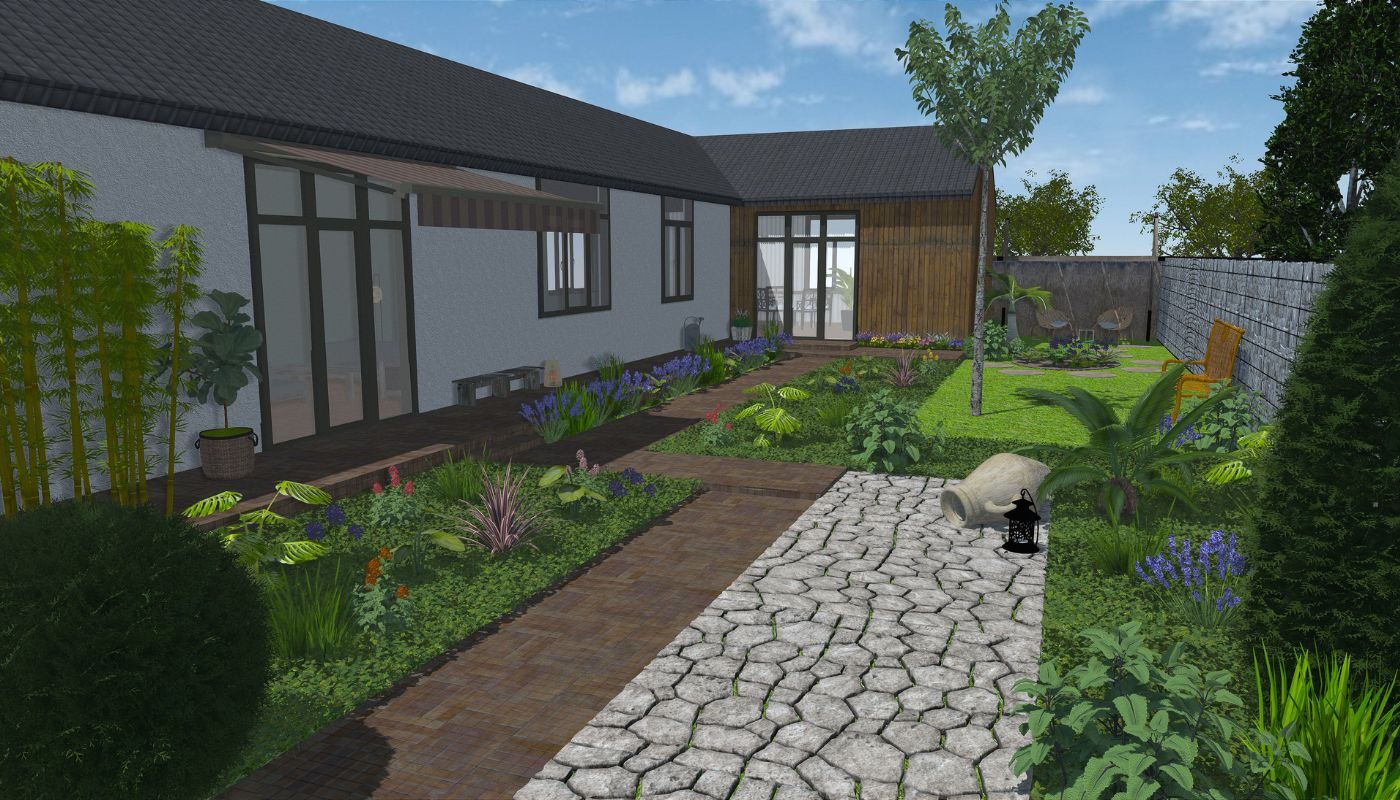
- In outdoor living, Augmented Reality shows a pool, an awning or plants directly in the client's garden.
- The two technologies complement each other but are used differently.
It's easy to confuse terms that seem similar… but don't mean the same thing! That's the case with 3D and Augmented Reality.
Each of these technologies has its own specific features. So what are the differences between 3D and Augmented Reality?
3D: a visualisation tool
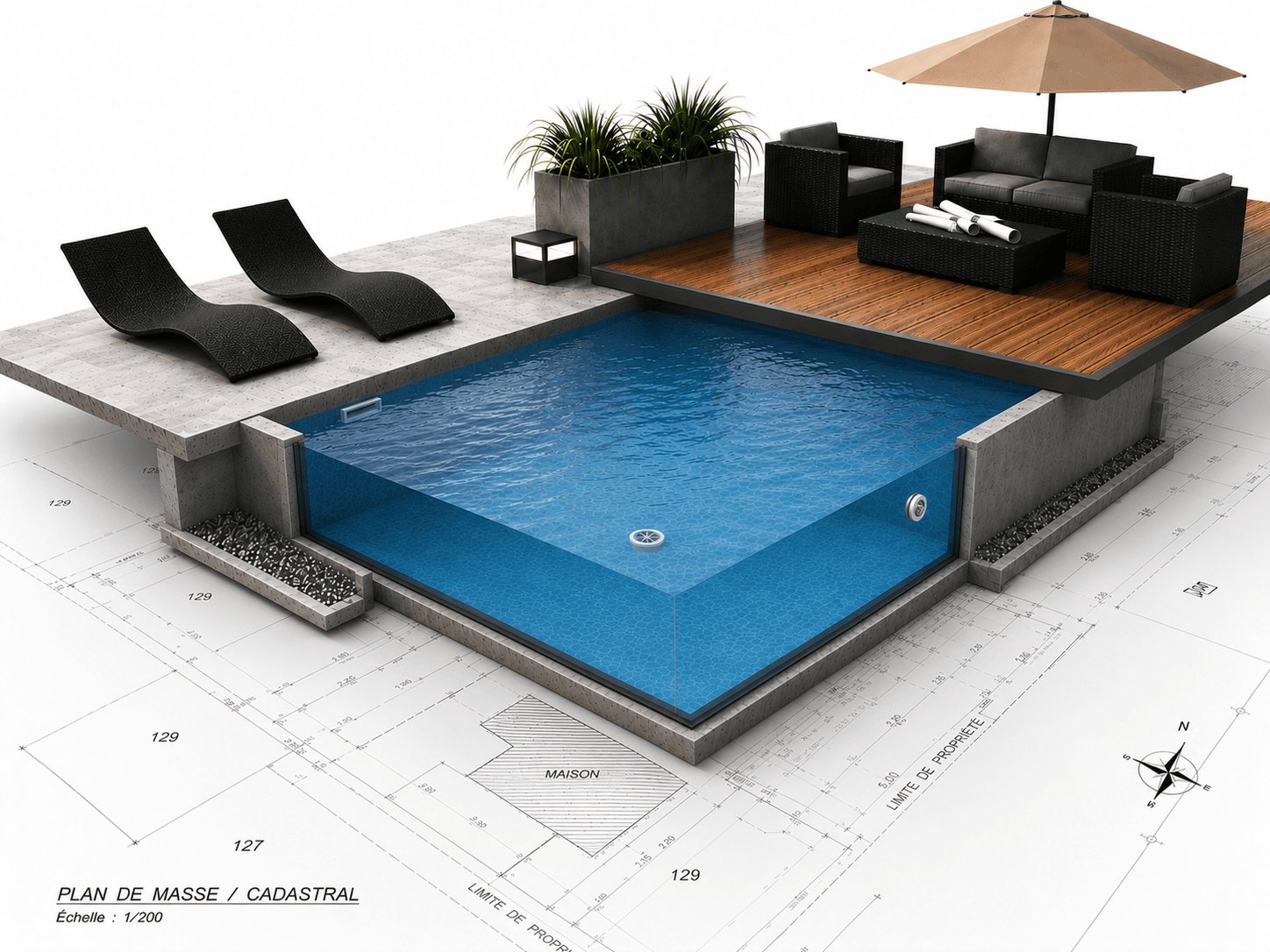
3D, or three-dimensional modelling, lets you see virtual objects with volume and depth.
Unlike a 2D image, a 3D object can be rotated, animated and viewed from every angle. 3D is therefore a faithful, dynamic representation of objects.
Where is 3D used?
- In animated films and video games, where objects and characters are often created in 3D for a realistic result.
- On e-commerce sites to view a product (appliances, clothing…), where customers can examine the product from different angles before buying it.
- In outdoor living, to simulate a space or a product (pool, pergola, awning, shade sail…) so clients can really picture their future surroundings.
Augmented Reality: a simulation tool
Augmented Reality goes further by integrating 3D objects into real photos. Unlike 3D, where objects can simply be viewed, Augmented Reality overlays these 3D objects onto photos, creating the illusion that they really exist.
Where is Augmented Reality used?
- In mobile apps, for example to try on glasses virtually before buying them.
- In education, to overlay objects onto the real environment and make learning easier.
- In outdoor living, to project 3D objects such as a pool, an awning or plants onto a real photo to see how they fit in.
The main differences between 3D and Augmented Reality
The environment:
- 3D simply lets you view objects.
- Augmented Reality overlays 3D objects onto our real environment.
Interaction:
- In 3D, objects can be viewed from different angles, but they remain in a virtual space.
- In Augmented Reality, 3D objects blend into an environment where you can, for example, simulate shade according to the time of day.
Conclusion
3D and Augmented Reality are two related but very different technologies. 3D creates realistic objects, while Augmented Reality enriches our reality by adding 3D objects to our environment. The two technologies often complement each other, but each has its own field of application.
Frequently asked questions
What is the difference between 3D and Augmented Reality?
3D lets you view a virtual object in volume. Augmented Reality goes further by placing these 3D objects on a real photo, creating the illusion that they exist.
Where do we come across 3D in everyday life?
In animated films and video games, on e-commerce sites to examine a product from every angle, and in outdoor living to simulate a project.
What is Augmented Reality used for in outdoor living?
It lets you project a pool, an awning or plants onto a real photo of the garden to see how they fit in, and even simulate shade depending on the time of day.
Do you have to choose between 3D and Augmented Reality?
No, the two complement each other: 3D creates realistic objects, and Augmented Reality places them in the client's real surroundings.