





Key takeaways
- The search for depth goes back to the perspective of Renaissance painters, then to the stereoscope in the 1830s.
- Computing made 3D take off in the 20th century, with CAD in aeronautics and the automotive industry in the 1960s and 1970s.
- Toy Story (1995) was the first feature film made entirely in 3D.
- Today, augmented reality lets you project a 3D project into its real surroundings, such as a garden.
3D, or three-dimensional imaging, is now an essential part of our daily lives. Whether in films, video games or architectural projects, it impresses with its realism. But did you know that this technology is rooted in centuries of experimentation and innovation? Let's look back at its history to see how 3D became what it is today.
The idea was born with perspective
Long before computers and software, Renaissance artists such as Leonardo da Vinci sought to represent depth in their work. Thanks to perspective, they gave their paintings a sense of relief and life.
However, it was not until the 19th century that technology came into play. In the 1830s, the stereoscope appeared. This ingenious device made it possible to see images in relief by combining two slightly offset photos, one for each eye. It was a first attempt to recreate the sense of depth we now associate with 3D.
The arrival of computers
3D really took off in the 20th century with the development of computing. The first computers, although huge and rudimentary, could create simple three-dimensional shapes.
In the 1960s and 1970s, the aeronautics and automotive industries adopted these tools to design their prototypes. This progress laid the foundations for computer-aided design (CAD) software, now essential in many sectors.
3D animation takes centre stage
The 1980s saw an explosion of 3D in the art world. Pixar, a pioneer in the field, produced The Adventures of André and Wally B.in 1984, a short film that proved the potential of 3D animation.
A few years later, in 1995, Toy Story revolutionised cinema by becoming the first feature film made entirely in 3D. Its success paved the way for 3D as we know it today!
3D in architecture and industry
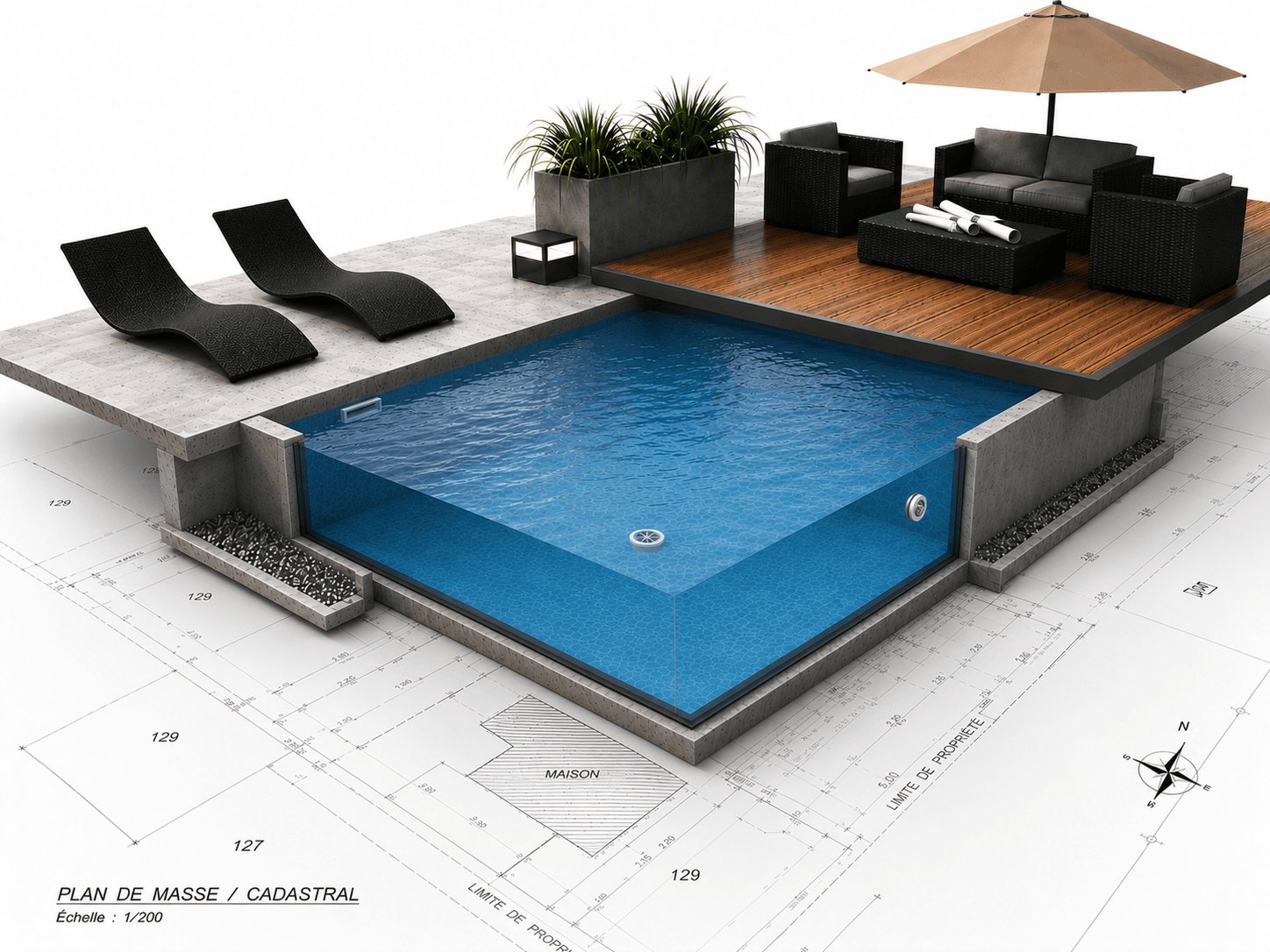
Beyond cinema, 3D is transforming sectors such as architecture and industry. Specialised software allows professionals to design buildings, vehicles or objects with impressive precision.
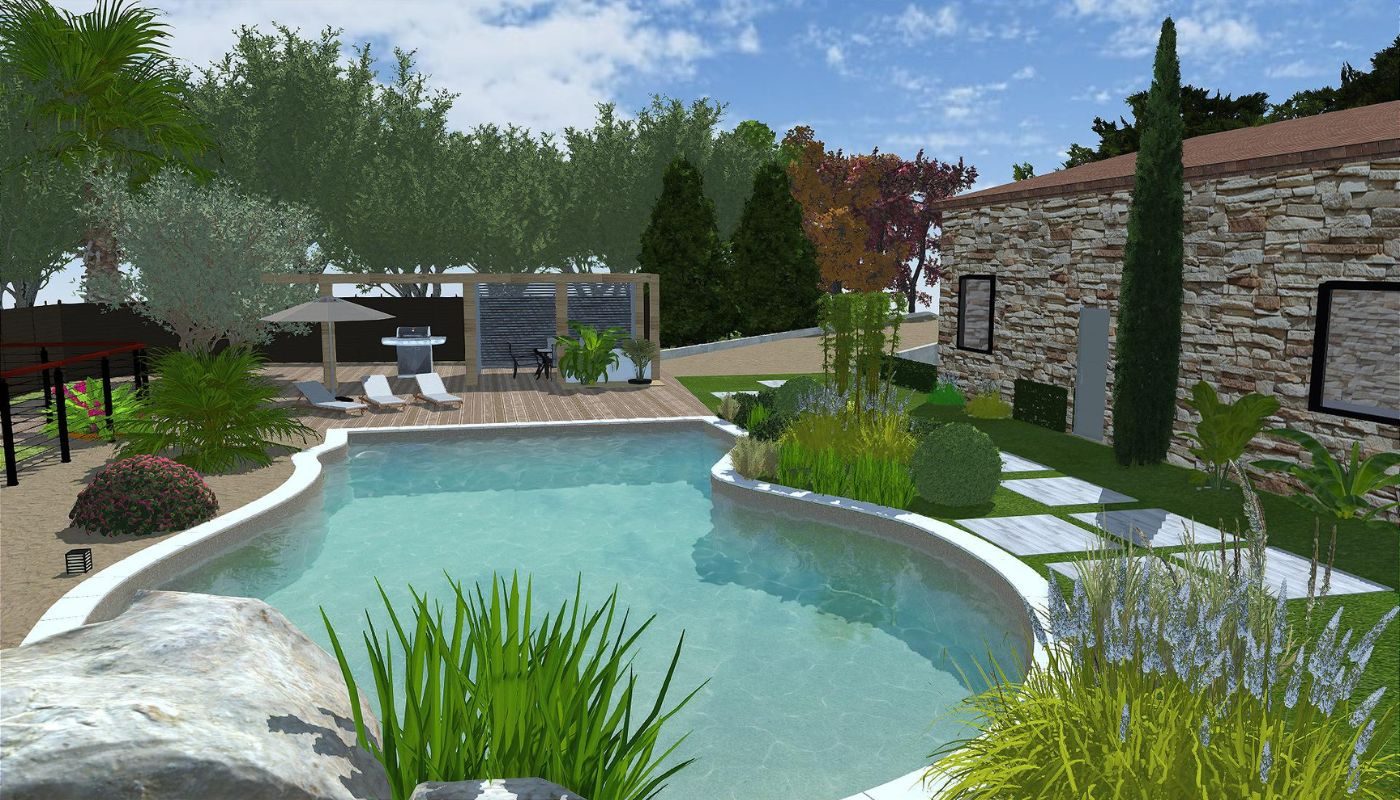
Companies like Logyline harness the power of 3D to reinvent outdoor living. For example, with the software Logyconcept3D, professionals can visualise pergolas, pools or terraces before they are even built, winning over their clients with striking renderings.
Towards 3D for everyone
In the 2010s, 3D made it possible to turn digital objects into physical ones in a matter of hours, transforming ideas into concrete prototypes. It is used in sectors as varied as medicine, aerospace and landscaping.
At Logyline, for example, we are working to integrate augmented reality into our solutions so that clients can visualise their projects directly in their real surroundings.
In addition, augmented reality (AR) and virtual reality (VR) make 3D even more immersive. These innovations let you dive into interactive environments or visualise projects directly in their real context. At Logyline, we have integrated augmented reality into our software, so clients can see the project directly in their garden!
From its first pencil sketches to augmented reality, 3D has come an incredibly long way. It influences the way we design, play, work and even heal.
And this is only the beginning. What will the next decade bring?
Frequently asked questions
When did the first 3D technology appear?
In the 1830s, with the stereoscope, which combines two slightly offset photos to create an impression of depth.
What was the first fully 3D feature film?
Toy Story, released in 1995, was the first feature film made entirely in 3D.
What is 3D used for in architecture and industry?
Specialised software makes it possible to design buildings, vehicles or objects with great precision, long before they are manufactured.
How is 3D used in outdoor living?
With software like Logyconcept3D, professionals visualise pergolas, pools or terraces before they are built and project them into the client's garden using augmented reality.